

Lifting Loads: What It Is and How to Do It Safely
Lifting is an essential process in industries and construction sites that involves lifting and moving loads using specialized equipment. This procedure allows heavy objects to be handled in a controlled and efficient manner, minimizing risks and maximizing workplace safety.
What is load lifting?
Lifting refers to the act of raising and moving objects using tools such as cranes, hoists, slings, and tackle. It is essential in various industrial applications, especially where high levels of precision and safety are required.
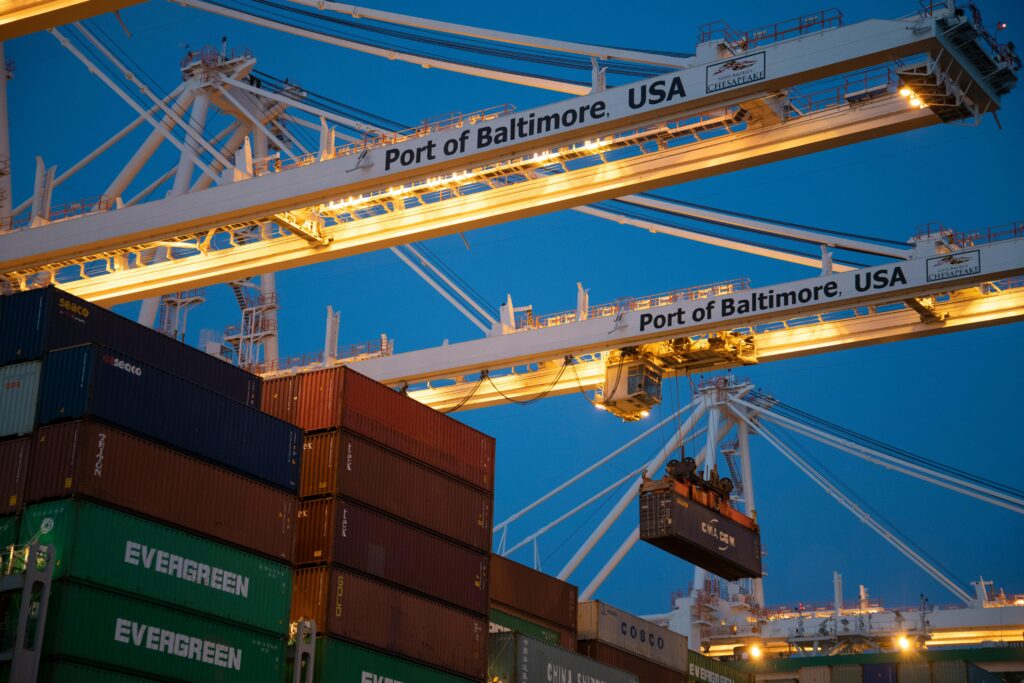
Equipment and tools used in lifting
To ensure safe and efficient operation, various types of equipment and accessories are used:
Cranes: These machines are essential for lifting heavy loads. There are several options available, including tower cranes, mobile cranes, and telescopic cranes, each designed for specific needs.
Hoists: Mechanical devices that allow loads to be raised and lowered with precision. They can be manual, electric, or pneumatic and are ideal for environments where detailed control is required..
Slings and rigging: Fastening systems made of durable materials such as steel or polyester. They include configurations such as chain slings, steel cables, and textile straps, adaptable to different needs.
Precautions when lifting
To prevent accidents and ensure safety, follow these recommendations:
Make sure the crane is placed on a firm, level surface.
Fully extend the stabilizers and define the work area.
Maintain a minimum distance of 3 meters from power lines.
Inspect cables, slings and accessories before each use.
Perform periodic inspections of all equipment components.
Never exceed the indicated load capacity.
Make sure the load is lifted vertically to avoid dangerous shifting.
Store slings indoors to prolong their lifespan.
Make sure the operator is properly trained to operate the equipment.